
The Friends Who Stay
When I was younger, I assumed the friends I had at 15 would be the same friends I'd have at 34. We'd all live nearby, see each other every weekend, and somehow fit seamlessly into each other's lives forever.
Looking back now, with a few more years and a lot more life experience behind me, I can see that was never going to happen.
Some friendships do survive the passing years. I have two friends who have been in my life since I was 11 and 14 years old. They have seen every version of me: the awkward teenager, the university student, the heartbroken girl, and the woman I am today. They were there when my sister passed away when I was 16. They sat with me in the darkest moments and helped me carry a grief that felt impossible to bear.
What's funny is that these two friendships look completely different.
One friend I only see three or four times a year, but I know that if I ever needed her, she would be there in an instant. We "pebble" each other on TikTok and Instagram, sending videos that remind us of one another. We often become obsessed with the same books or TV shows at exactly the same time, despite living separate lives.
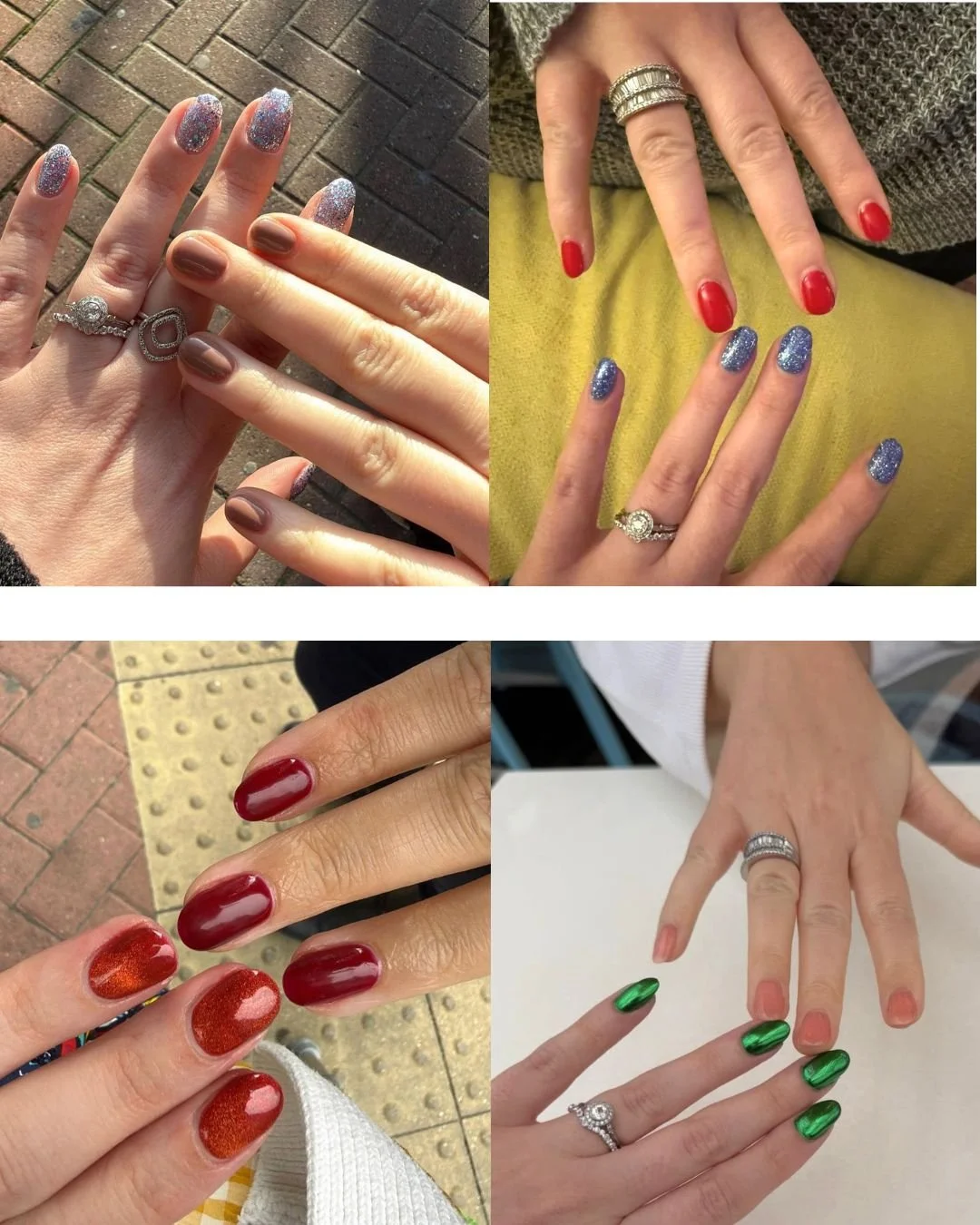
The other friend lives much closer these days, having moved back near her parents. We see each other regularly, get our nails done together once a month, and her husband has fully accepted that he is the third wheel in our friendship. He's allowed to join us for brunch after our nails and shows great acting when we show him our nails. Our families are close too. She knows every story, every family tradition, and every inside joke. I know hers just as well. I call her parents Mum and Dad, and when I was at university, I once rang her parents with a cooking question because I couldn't get hold of my own. That's the kind of friendship that becomes family.

I also have a best friend in Italy. We used to work together, but after lockdown she moved back to Rome. Despite the distance, we've found our own rhythm. Most mornings we'll send each other voice notes during our commutes, talking about our days, our latest frustrations, or simply how little sleep we've had. We only see each other twice a year, but she's still one of the first people I want to tell when something important happens.
Then there are the friendships that drift away. Not because of an argument. Not because anyone did anything wrong. Life simply happens. They often end quietly, with unanswered messages, cancelled plans, and the gradual realisation that you're no longer part of each other's everyday lives. Sometimes those endings are harder than the dramatic fallouts because there's nobody to blame and nothing to fix.
Some friendships leave such a big space behind that you find yourself grieving someone who is still alive. There are people I once spoke to every day, people I couldn't imagine not having in my life, who are now little more than memories and old photographs. There's no dramatic story to tell, just the quiet acceptance that you've become strangers to someone who once knew everything about you.
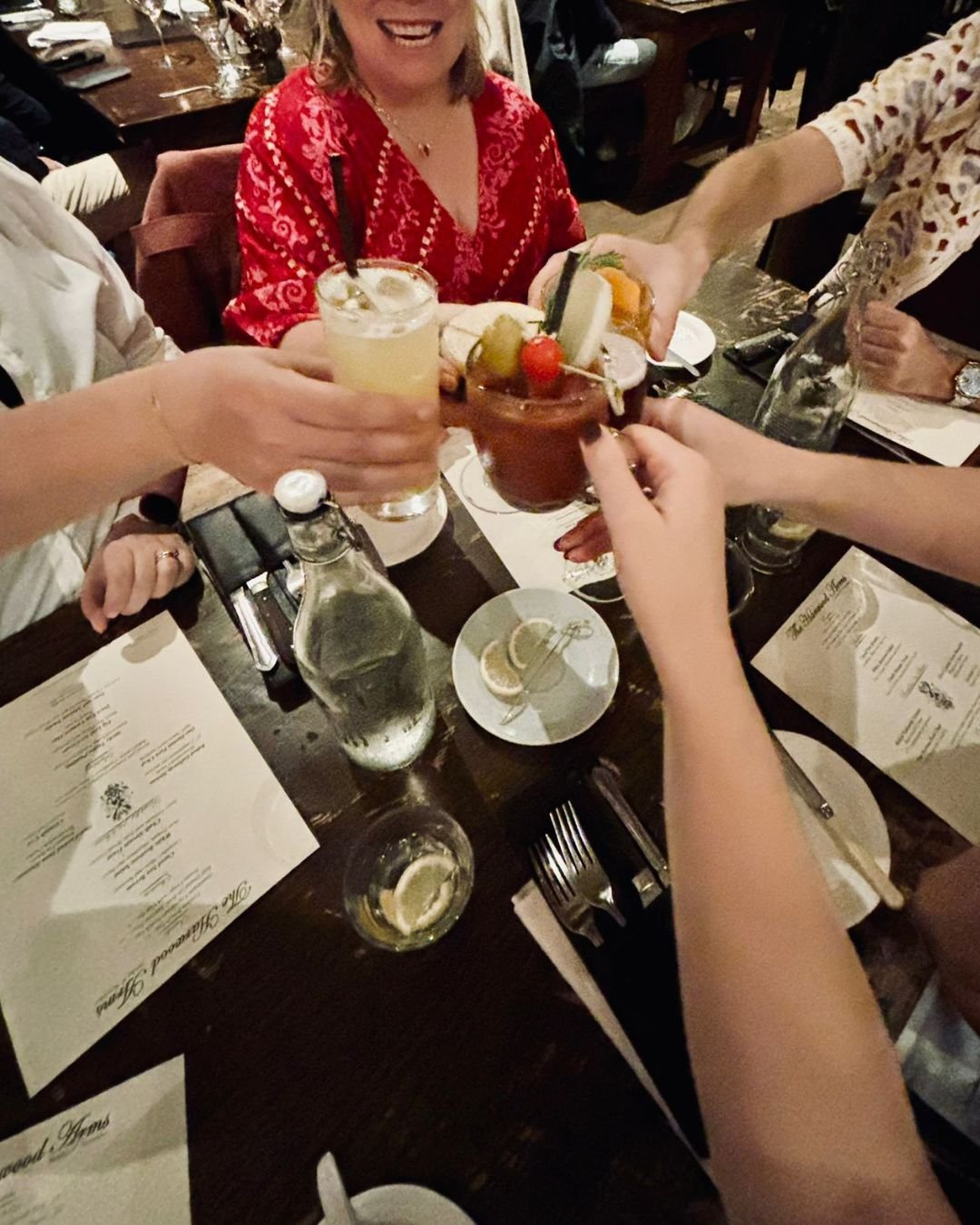
One thing I love about working in London is that my friendships now span different generations. I have a small group of friends where one is in her early forties and another is in her early fifties. We get on like three peas in a pod. We read the same books, send each other far too many Henry Cavill memes, and genuinely enjoy spending time together. They can also both drink me under the table without breaking a sweat.
As you get older, or perhaps when you work in a city like London, the age range of your friendships widens. Some of my closest friends are ten years younger than me. Others are ten or twenty years older.
I've learned that friendship isn't about age. It's about effort. Friendships are a two-way street. You get out what you put in, and if you're constantly putting in effort without receiving any back, eventually you have to ask yourself whether it's the friendship you need.
I particularly appreciate the friends who have busy family lives but still make me feel special. The ones who remember my birthday, who send a thoughtful card, who make time for a coffee, or who check in after a difficult week.
As someone who is single, I don't have a partner showering me with gifts, planning surprises, or making a fuss of me on special occasions. So I notice the friends who do. The ones who recognise that I celebrate their children's birthdays, attend their weddings, and show up for the milestones that matter to them.
Sometimes being the single friend can feel like sitting on the edge of everyone else's family photo. You're there, you're loved, but you're not quite in the same season of life.
It reminds me of an episode of Sex and the City where Carrie loses an expensive pair of shoes at a friend's party. Her friend initially refuses to reimburse her because, in her eyes, Carrie had chosen a different life path and didn't have the same responsibilities as someone with a husband and children. What the episode captured so well is that everyone's milestones deserve recognition. Marriage and children aren't the only important events in a person's life or items.
The friends I treasure most are the ones who understand that. One friend in particular is a wife and mother whose family I adore. Whenever I go to visit, she always makes sure we have time that's just for us. Not mum and friend. Not host and guest. Just two women catching up on life.
Friendship, at its best, is about seeing each other fully. It's about recognising what matters to the people you love, even when their lives look different from your own.
The older I get, the more I realise that friendship isn't measured by how often you see someone or how many years you've known them. It's measured by who shows up, who remembers, and who stays.
The friends who stay aren't always the ones you see every week. They aren't always the loudest, closest or most present. Sometimes they're the friend who sends a meme from another country, the friend who still knows your coffee order after twenty years, or the friend whose parents feel like your own.
Staying isn't about proximity. It's about presence.
And the older I get, the more I realise those friendships are some of the greatest loves of my life.
And while this blog is about the friends who stay, I also think it's important to talk about the friends who arrive later.
One question I hear all the time is, "How do you make friends as an adult?" The truth is, it doesn't happen by accident anymore. At school, university or even in your first job, friendships often form naturally because you're thrown together every day. As adults, we have to be much more intentional about it.
I've made some wonderful friends in my thirties through work, tennis lessons, personal training and simply saying yes more often. Yes to after-work drinks. Yes to going into the office when working from home would be easier. Yes to grabbing a coffee. Yes to joining someone on their walk to Pret. Yes to the plans that sound slightly outside of your comfort zone.
Not every conversation becomes a friendship, and not every friendship becomes a lifelong one. But none of them happen if we don't give people the opportunity.
We're all carrying our own insecurities. We're all wondering whether we'll fit in, whether people like us, or whether we've said the wrong thing. I know I can come across as a little reserved when people first meet me. I've even been told I can seem standoffish. The reality is that I'm usually just shy and figuring people out.
The older I've become, the more I've realised that most people are looking for exactly the same thing: connection.
Some friends stay for a season. Some stay for decades. Some become family.
And if we're lucky, we'll keep finding new ones along the way.